
Animal Suffering
In human nutrition, there are all kinds of different approaches, views, and ethical standards you can apply.
After nearly 14 years of intensively studying nutrition and observing my own body, one argument keeps coming up: animal suffering.
I eat meat. One of the common arguments against this is that the animal suffers, at the latest through its death. That can’t be avoided in this case, and I would be happy to get equivalent nutritional coverage without animal suffering. Unfortunately that isn’t possible, even if I stopped eating meat:
Animal Suffering in Plant Agriculture
Chemical
In plant cultivation, large areas are typically farmed as monocultures. Monocultures attract all kinds of animals that can feed on the grown crops - or those drawn in by the plant-eaters themselves.
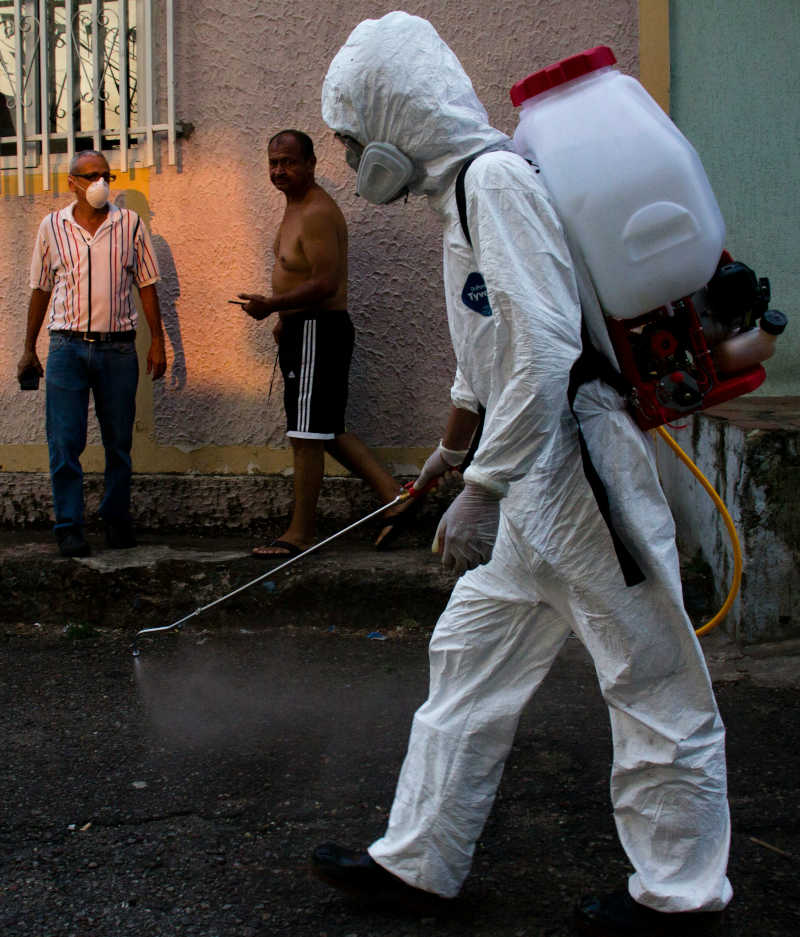
Let’s start with the small animals: insects. I’ve disposed of various plants in my garden that were infested with caterpillars. If there had been birds willing to eat those caterpillars, I would have been grateful. There weren’t - my options were “crop protection products” or “insecticides” (or destroying the plant before all the others got infested. A luxury you don’t have in agriculture).
“Crop protection product” and “insecticide” amount to the same thing, but the name makes a big difference:
A “crop protection product” protects crops. Great - positively framed.
An “insecticide” kills insects - negatively framed.
This is exactly where animal suffering starts: “crop protection” always means “animal suffering” too. And we don’t need to limit ourselves to insects: small mammals (rodents) and birds suffer equally. In multiple ways: the applied poison - even if not necessarily directly toxic - isn’t particularly health-promoting. If applied late, it can also lead to direct starvation: up until the insecticide was applied there may have been enough food for raising young, then suddenly there isn’t, and across a wide area.
This observation means: plant agriculture massively disrupts biodiversity. (And I’m only looking at animals here, not even the equally unwanted other plant species - no “herbicides”.)
Mechanical
Industrial agriculture doesn’t work without large-scale use of machinery. The larger the area to be cultivated, the more mechanical the planting and harvest: ploughs and combine harvesters are a decidedly bloody affair.
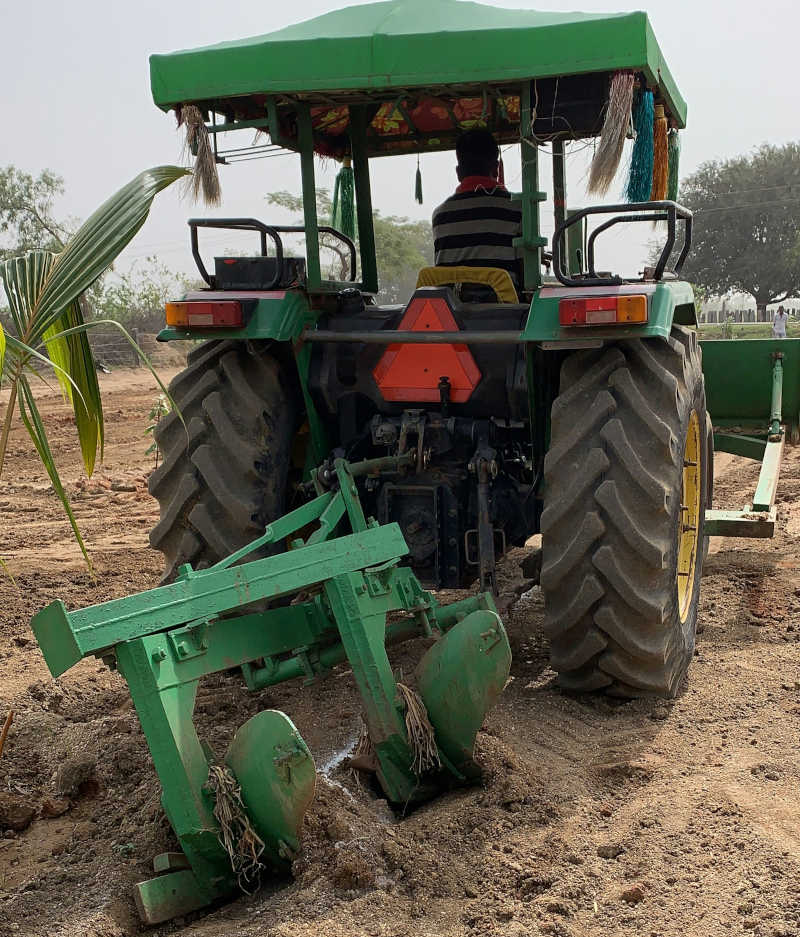
I like to compare agricultural machinery to an old Godzilla film - but real, for the animals living in and around a field: a giant monster moves across the area and leaves a trail of destruction. Animals that survived the chemical assault described above are lucky if they also survive the machine.
If they have that luck, the former land of (poisoned) plenty vanishes overnight with the harvest. They and their young - if those also survived - have to find food from a great distance. Unless they’ve meanwhile become defenceless prey for predators.
Buzzards love freshly mown fields: finally a clear view. Unfortunately their prey often carries a rather high poison load.
Intent vs. Collateral Damage
The points above are often answered with the argument of unavoidability: one would gladly do without animal suffering in arable farming, but since the death of the animals isn’t intentional, it’s an unavoidable collateral damage that has to be accepted. An ethical dilemma, but one that must be borne.
That’s an argument I can’t accept, because the applied poisons are explicitly there to kill animals. Death is not an unintended collateral damage - it’s the marketed feature and the unambiguous reason for using these substances.
And even in organic farming, coexistence with animals helping themselves to the crops isn’t tolerated. Only different means are used than in conventional farming.
Growing Animal Feed
“If plant farming is so bad, what about animal feed? That gives you roughly the sum of both.”
For industrial livestock farming, that looks like a valid objection. The feed has to come from somewhere. But two aspects are being overlooked:
Pasture Farming
Through pasture farming it’s possible to completely bypass conventional feed cultivation. More than that: many areas worldwide aren’t even suitable for arable farming but can be used as grassland for raising animals.
As a side effect, the soil is improved, humus is built up and carbon is sequestered - but that’s a topic for another article.

Using Secondary Plant Parts
By no means in all cases are the same plant parts fed to animals that could end up in human food:
Many feed components are not grown separately but consist of by-products of food production: a large part of the maize plant isn’t eaten by humans - but it still exists. The fibres it contains are indigestible for humans. Ruminants with their multi-stage digestive system can process them and turn them into high-quality, bioavailable nutrients. Breweries and other businesses supply their residual materials for animal feed. Without such use, these would have to be disposed of separately at considerable cost. Excellent upcycling of unused plant parts from crops grown for human consumption. A good example for this: Press cake (1).
Is There a Way Out?
Whether we eat plants or animals: animals always suffer. At the latest through their death. But it is possible to ensure that animals raised for food have a very good life. Agriculture has a lot of work to do there, but it’s possible in principle:
The combination of poisons (which also work insidiously), mechanical soil cultivation, and sudden hunger always leads to prolonged suffering, a potentially agonizing death by poison, injury, or starvation. And on a scale - in terms of animal numbers - that considerably exceeds that of slaughterhouses.
The animals in food supply are larger, but the animals killed through pesticides and machinery are more numerous. Factor in the positive effects of pasture farming on biodiversity: far more. A pasture requires no pesticides and no soil tilling. Standing there, you hear insects, small mammals, birds. Everything absent from a freshly ploughed grain field.
Incidentally, this is not an argument invented by meat eaters: it is a serious contested topic in academic animal ethics. (2)(3)(4)
I argue that with adequate meat production, fewer animals suffer than through plant consumption. That applies equally to those animals we attribute sentience to (mammals and birds), not only insects.
And we haven’t even begun to talk about many other positive aspects of livestock farming… (5) (6)


